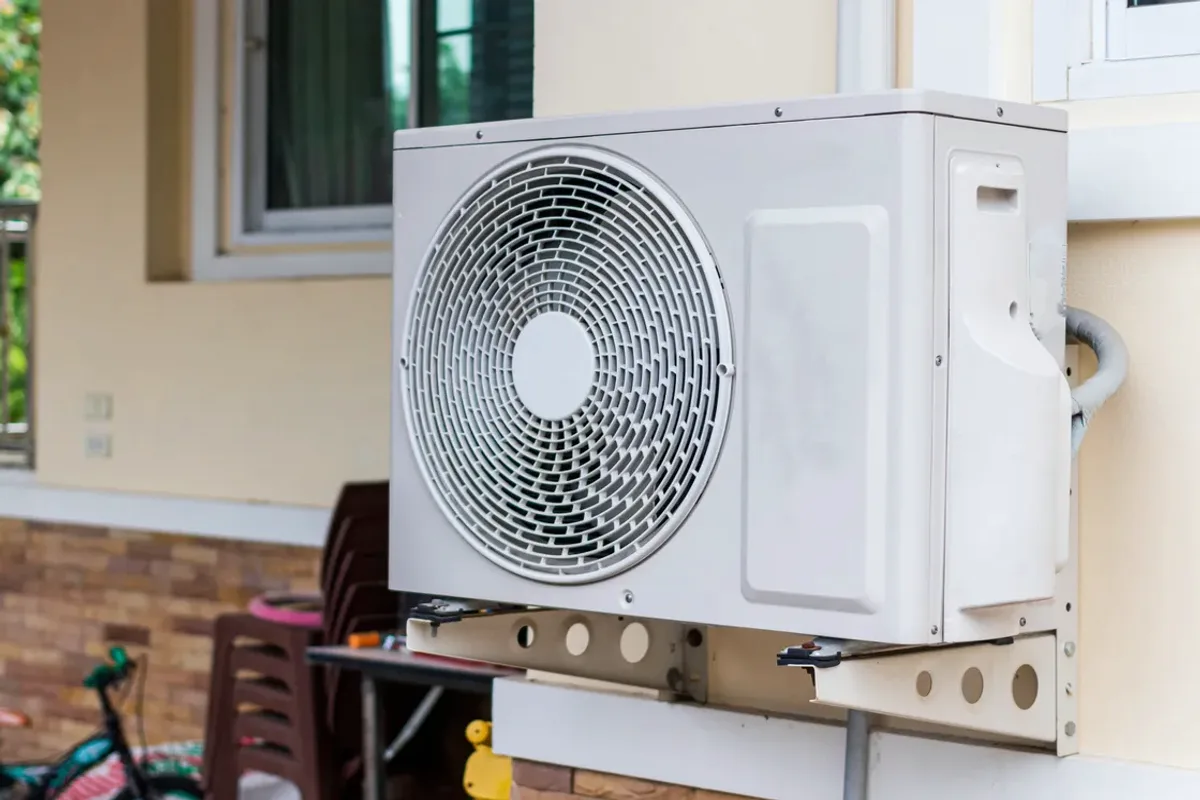
Request heat pump repair & installation for a property in Mount Brydges. Include the equipment, the problem or planned work, and your location so the request can be reviewed.
What should be compared when deciding whether to repair or replace a heat pump?
Heat-pump service may involve repair of an existing unit, installation of a new system, or a comparison between those paths. For a property with a propane furnace, a conversion assessment should account for the existing heating equipment and the proposed heat pump's role. Ducted and ductless configurations have different installation requirements. Equipment model, building heating load, repair history, and the intended use of any existing furnace all affect the project scope.
Gather the heat-pump model, age, fault history, and details about the home's existing distribution system. Inspection can identify whether a repair addresses a specific failed component or whether recurring faults warrant a replacement comparison. For a propane conversion, the building load, ductwork or ductless layout, and the intended role of existing equipment also matter.
Heat-pump fault diagnosis and repair history
Propane-furnace conversion planning
Ducted, ductless, and cold-weather equipment selection
Assessment and Scope
Questions for the Proposed Work
01
Separate a repair from a replacement project
A heat pump with a confirmed component fault may be a repair candidate, while repeated or more extensive problems can justify comparing replacement scope. Useful evidence includes diagnostic findings, repair history, equipment condition, and compatibility of available parts with the model. The decision should rest on the actual fault and system condition, not on a fixed count of repairs or equipment age by itself.
02
Assess a propane-to-heat-pump conversion
If a property uses a propane furnace and is considering a heat pump, the heating load and existing distribution system need assessment before selecting equipment. A ducted system must suit the available ductwork; a ductless design requires appropriate indoor-unit locations. The project should also clarify whether the furnace will be removed, retained, or assigned a defined supporting role, since each choice changes installation scope.
03
Check the heating design and equipment configuration
Cold-weather heating suitability depends on the particular heat-pump model and the property's calculated heating needs, not simply on a broad equipment label. Ducted and ductless models also differ in how heat is delivered and controlled. Reviewing manufacturer information, building details, and the proposed system configuration helps establish whether the selected design matches the intended heating and cooling functions.
Compare the next step
Include the finished lower level in the room-by-room design instead of treating its area as an automatic addition to nominal capacity. Ask how the proposed distribution reaches its occupied spaces and how sensors or zones respond. Document drainage, electrical, and service-access implications within the completed basement layout.
Cold-climate capability does not prove that one model covers every home heating load. Ask how the selected equipment and supplementary heat meet the actual design requirements.