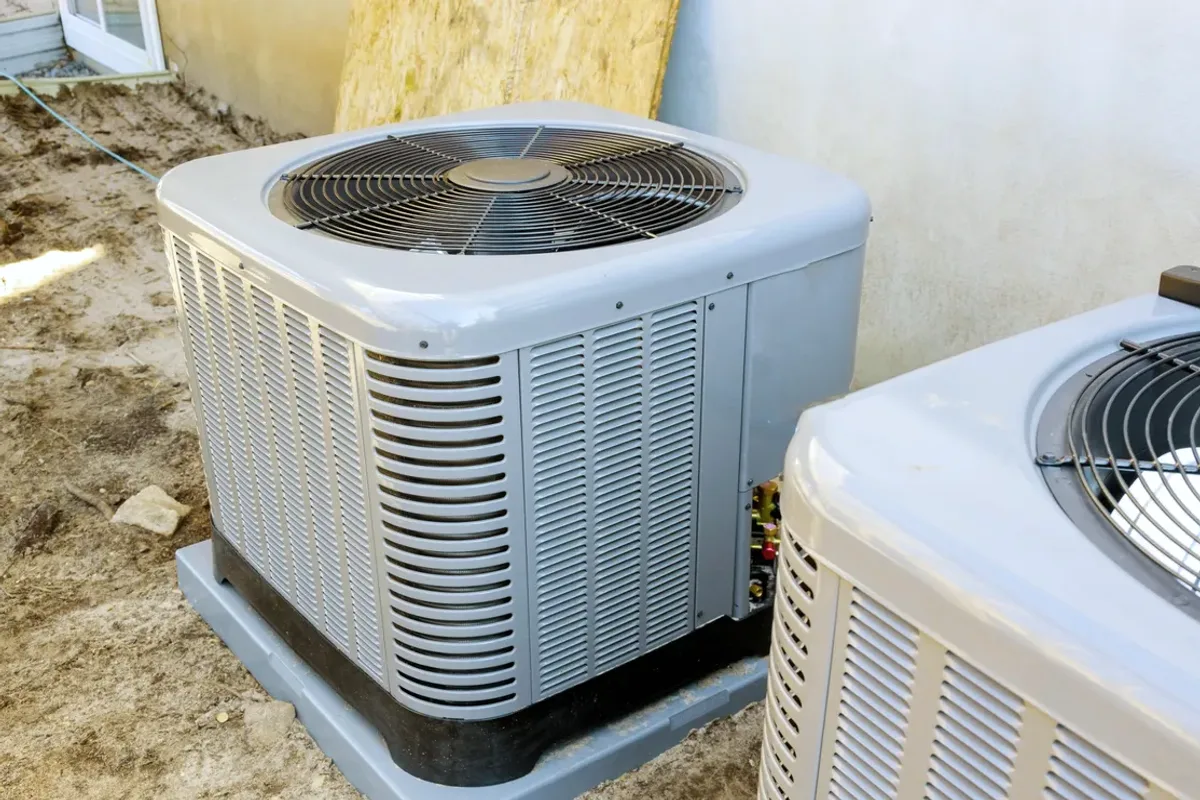
Request ac repair for a property in Mount Brydges. Include the equipment, the problem or planned work, and your location so the request can be reviewed.
How can I tell whether an AC problem calls for a component repair or a larger assessment?
An air conditioner that runs without cooling, cycles unusually, or stops altogether may have a control, electrical, airflow, or refrigerant-circuit problem. The equipment type matters: central air, a heat pump, and a ductless mini-split do not share identical components or operating modes. A capacitor or contactor fault can call for a different repair decision than a compressor problem. Model details, observed symptoms, and test results help determine whether a component repair or broader replacement comparison is appropriate.
Record the equipment type and model, what it does when cooling is requested, and whether the issue is intermittent or constant. Inspection and appropriate testing help separate a control or electrical fault from an airflow or refrigerant-circuit problem. Compressor condition and equipment age can affect whether repair or replacement deserves comparison.
Central AC, heat-pump, and mini-split diagnosis
Capacitor and contactor component faults
Compressor condition and repair-versus-replacement comparison
Assessment and Scope
Questions for the Proposed Work
01
Identify the system before testing
Central air conditioners, heat pumps, and mini-splits have different controls and operating sequences, so the equipment type should be confirmed first. A heat pump may also provide heating, while a ductless system has indoor units and controls that differ from a central system. The model and reported symptoms help establish which components and modes should be assessed rather than applying a generic AC checklist.
02
A small component fault is not a system verdict
A failed capacitor or contactor can interrupt operation without establishing that the entire air-conditioning system needs replacement. Testing should confirm the suspected component and check whether another fault contributed to its failure. If the identified part is the issue and the rest of the equipment is in suitable condition, a focused repair may be considered; a broader fault pattern calls for a wider assessment.
03
Compare compressor repair with replacement
A compressor fault can change the scale of the decision, particularly when the unit is older or has other documented problems. The model, condition of related components, repair scope, and any available equipment records help make a fair comparison. A compressor problem on a newer system does not automatically dictate replacement, just as age alone does not establish that repair is sensible.
Compare the next step
Describe upstairs and basement conditions at the same time rather than using the lower-level temperature alone. Ask whether humidity, air delivery, or equipment performance explains the difference. Clarify which proposed work addresses each condition and whether moisture sources outside the cooling system need separate attention.
Do not open electrical panels or handle refrigerant. If ice, water near electrical equipment, or abnormal operation is present, stop using the affected system and request an assessment.