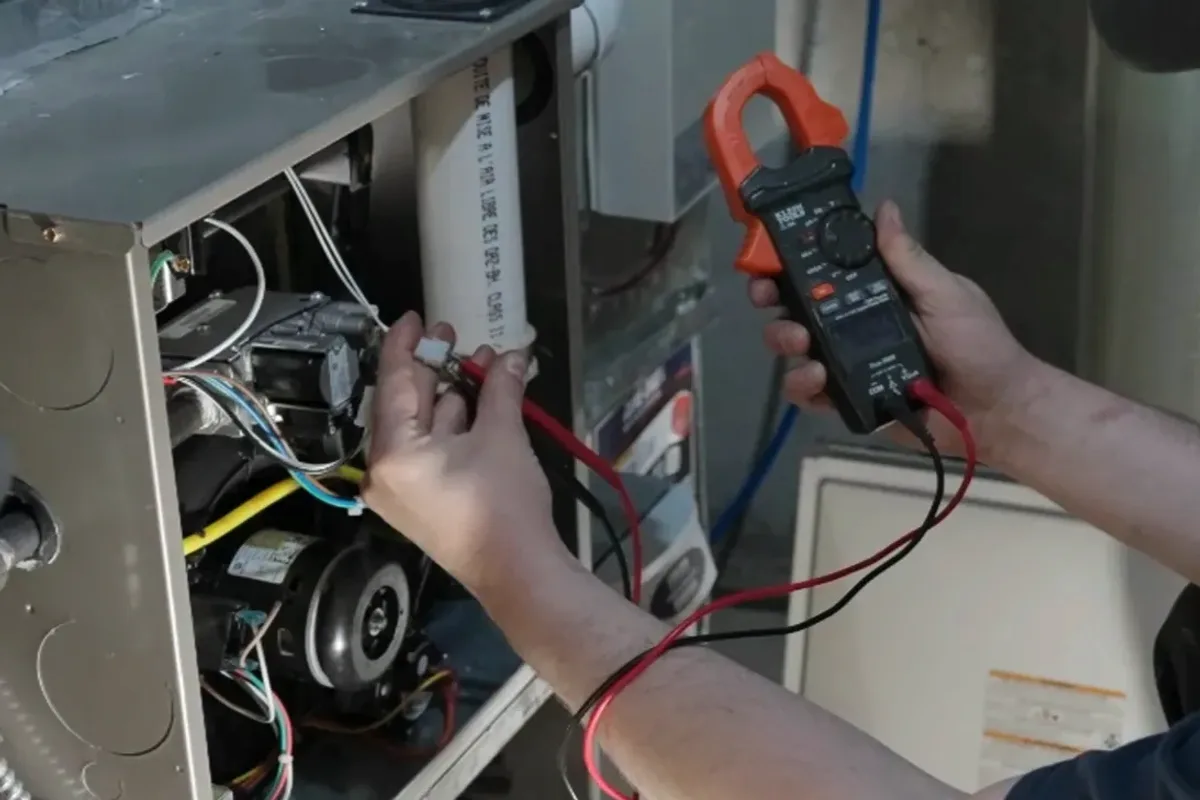
Request furnace repair for a property in Mount Brydges. Include the equipment, the problem or planned work, and your location so the request can be reviewed.
What should be checked when a propane or natural-gas furnace stops heating?
A furnace that stops heating can have a fuel, ignition, control, airflow, or venting fault, and the cause is not established by the symptom alone. For a propane furnace, the fuel supply and appliance setup are relevant; for a natural-gas model, its own supply and configuration need checking. High-efficiency equipment has different venting and condensate components than older designs. Repair guidance depends on the model, fault evidence, and whether damaged parts affect safe operation.
Note the furnace make and model, fuel type, any displayed fault code, and when the problem began. Inspection can distinguish a supply or ignition issue from a control, airflow, or venting fault. The age and condition of the heat exchanger also matter, because damage there can change the decision from repair to replacement.
Propane and natural-gas furnace diagnosis
High-efficiency furnace components and venting
Heat-exchanger condition and repair-versus-replacement decisions
Assessment and Scope
Questions for the Proposed Work
01
Fuel type and furnace design affect diagnosis
A propane furnace and a natural-gas furnace require assessment against their own fuel supply and appliance specifications; one setup should not be assumed from the property's location. The model also matters: a high-efficiency furnace may use different venting and condensate arrangements than an older unit. Identifying the fuel and design helps direct inspection toward relevant components instead of treating every no-heat call as the same fault.
02
Trace the fault before choosing a repair
A no-heat condition may involve ignition, a control, airflow, or a venting-related component. The sequence of symptoms and any diagnostic code can help narrow which part of the operating cycle needs inspection. A repair decision should follow testing of the suspected component and the surrounding system, since replacing a part without confirming the cause can leave the original fault unresolved.
03
Heat-exchanger condition changes the decision
A suspected heat-exchanger crack or other damage calls for a careful assessment of the specific furnace and the evidence found. Repairing a minor component fault is a different decision from continuing to operate equipment with a compromised heat exchanger. The unit's age, overall condition, and the scope of any safe repair should be compared with replacement options before deciding what work is appropriate.
Compare the next step
Show how the finished layout preserves access to filters, controls, and the appliance. Ask whether altered returns or enclosed spaces affect the reported fault. A service and renovation plan should distinguish heating performance from changes to the mechanical room, then record any distribution correction required for the occupied basement.
Leave burner, fuel, venting, electrical, and internal equipment work to a qualified contractor. Do not bypass a safety switch or repeatedly reset a furnace.